

 Crossing farmers’ fields during combat mission.
At the copse, a Wolfpack should be able to make a match on shoes in the farmer’s field.
 The bomb-detecting gear and dogs are of limited use. The Soldier who gets blown up often is far back down the line. He might be man number twenty. Soldiers carry ladders because they are constantly climbing walls.
At least one Afghan came out of the copse. He pulled himself onto a tractor and drove away.
Our people frequently use helicopters to stop vehicles. They blast rotor wash until you are blown off the motorbike, or cannot see out of the windshield from the dust and dings. The pilots can do this with surprise.
The bad guys are driving along suddenly they are dusted out. They can no longer see the road, and a minigun is pointed at the windshield. Unless they have suicide vests, they tend to stop. The suicide vests were a dangerous technique in Iraq.
It would be easy to follow the tractor, stop it with a helicopter, and confirm or deny if the tracks in the field led to the man on the tractor, while the other Wolves entered the copse.
 This small helicopter package, along with a couple of Kiowas for scouting, would be hell in the hands of a Wolfpack commander.
Bets are on that there was a cache in the copse. The Rhodesians could pull off such attacks in an hour or two, and be back for lunch.
 A fragless artillery round could be designed to frighten enemy into hiding after an attack. We often take fire on the bases, but the fire comes from populated areas. Wolfpack guns could fire noisemakers while Wolfpack boards the helicopters. After an IED, fragless rounds could be fired within minutes into the area, to pin down or drive the enemy while the Wolfpack assembles.
The Rhodesians and Namibians sometimes tracked cattle because the enemy stole cattle for food or money. Guerrilla armies often steal flocks and herds.
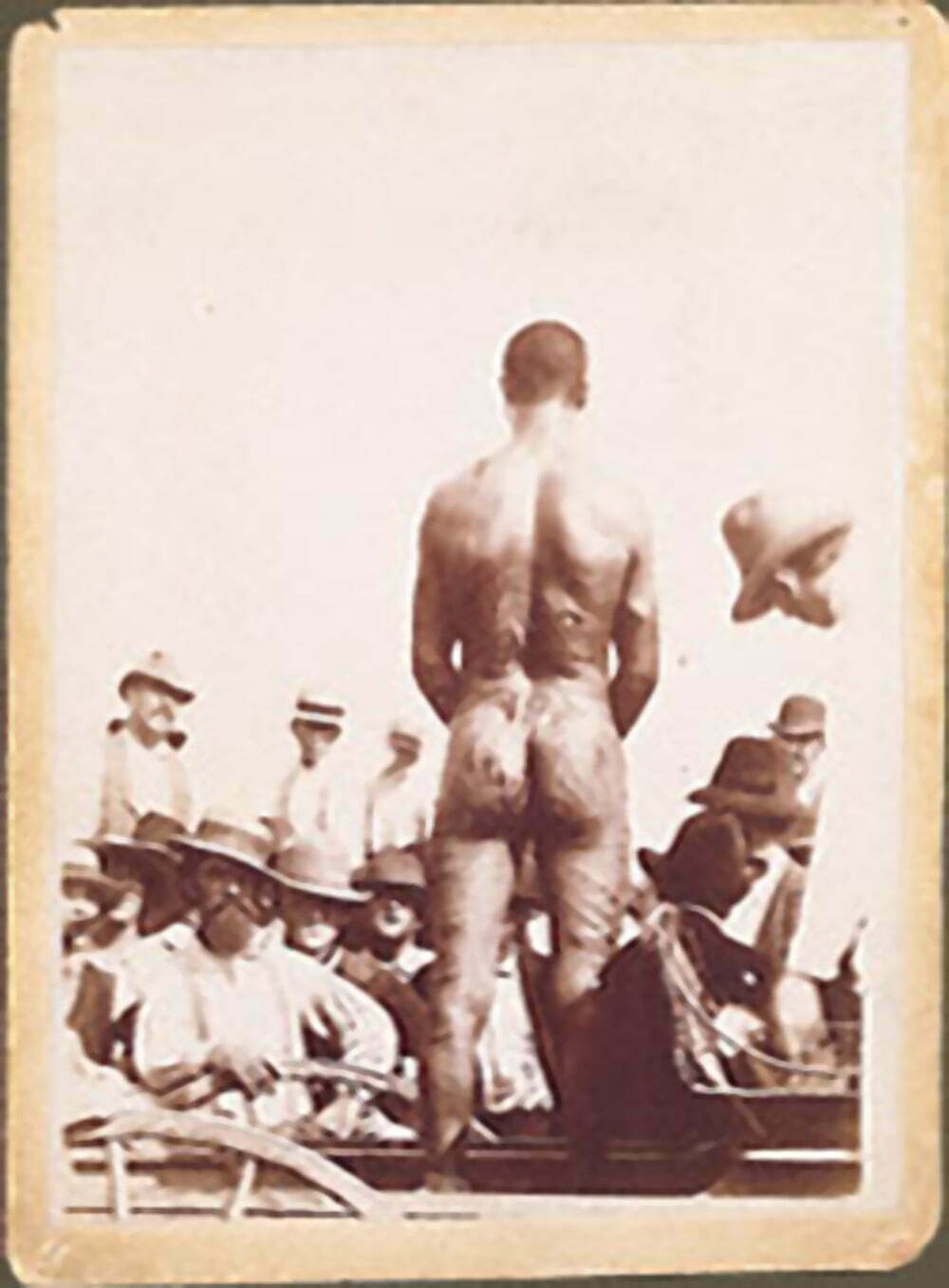 The medic on the right was a good man. He saw much combat. Greater tracking skills would reduce his workload.
Some Rhodesian pilots became especially good at picking up sign from the helicopters, which normally is best done in early morning or late afternoon.
 Most Afghans have few electronics, which can be good and bad for SIGINT tracking. They often have small radios.
Strong tracking skill forces the enemy to use track discipline, which wastes his time, and also forces him into areas that he may not want to go, which helps with sensor placement.
The Rhodesians used electronic tricks, such as the “road runner” commercial transistor radios. They distributed the road runners by various means in likely areas. When the enemy heard helicopters, they would turn off the radios, which turned on the hidden transponder.
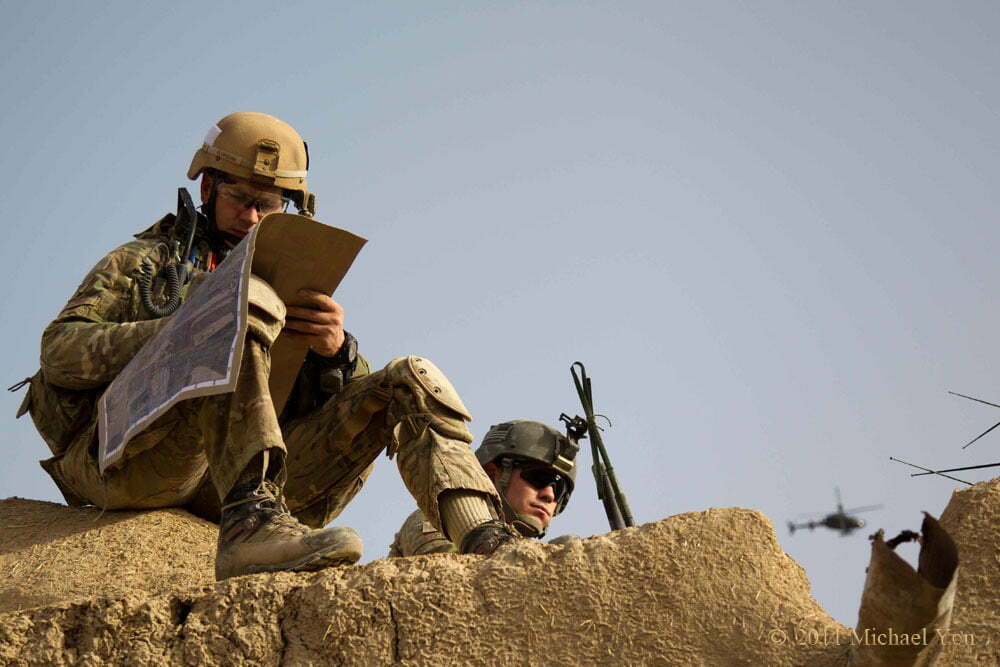 The excellent Air Force JTACs wore different boots than the Army Soldiers. This is a common clue for trackers that they are specialized forces or attachments.
The Rhodesians had a handful of worn-out aircraft, and “Faced with an insurgency in sparsely inhabited African bush in a country the size of the State of Montana, limited their ability to field more than 1,500 fighting men on any one day in the years 1966–1980… ” (Counter-Strike from the Sky: The Rhodesian All-Arms Fireforce in the War in the Bush, by J.R.T. Wood)
CT was a force multiplier.


No comment yet, add your voice below!